
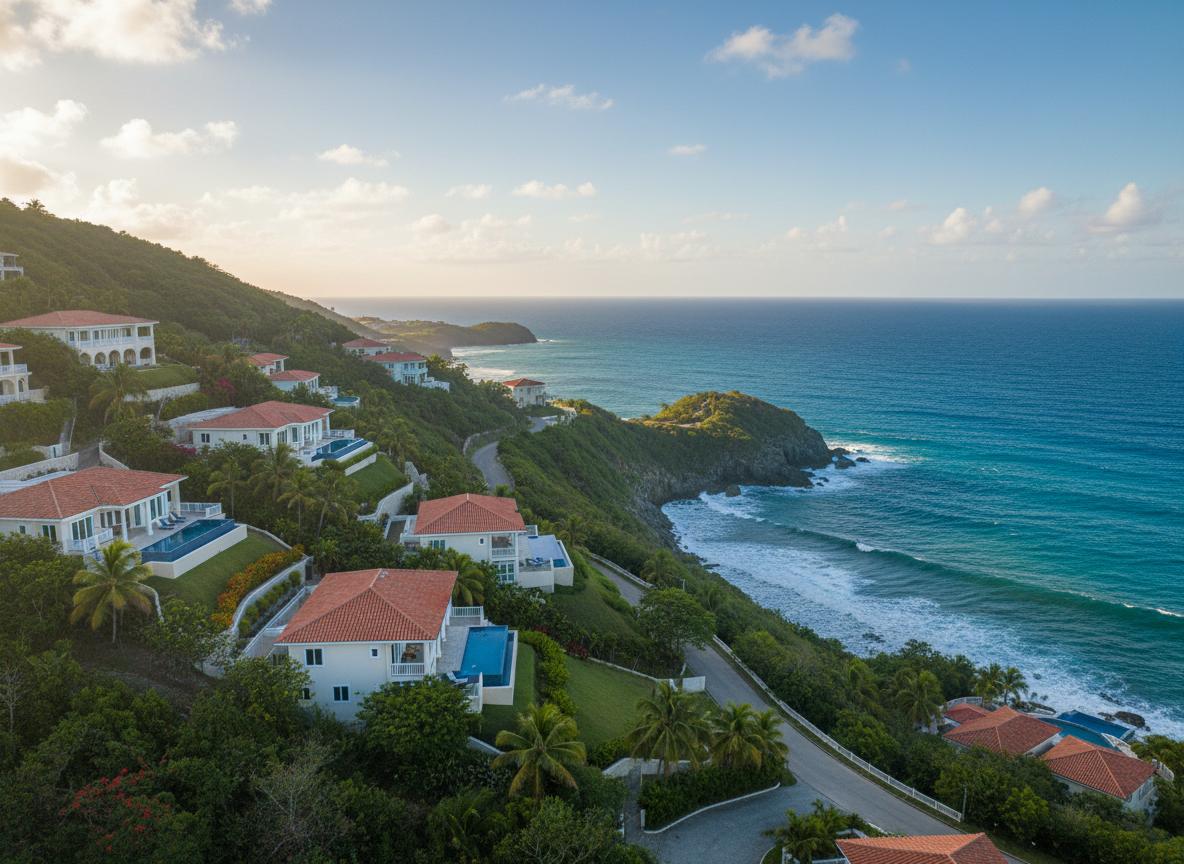
At a Glance
- Roatán is located 35 miles off the northern coast of Honduras in the western Caribbean Sea.
- The island is approximately 40 miles long and sits along the Mesoamerican Barrier Reef.
- Temperatures stay between 70°F and 80°F year-round with minimal hurricane risk.
- United Airlines flies daily year-round from Houston; American Airlines daily from Miami. Seasonal service from Atlanta, Dallas-Fort Worth, Denver, Minneapolis, and more.
- U.S. dollars are widely accepted and English is commonly spoken throughout the island.
Roatán is the largest of the Bay Islands, a group of three islands that also includes Utila and Guanaja. Located in the western Caribbean Sea, Roatán lies approximately 35 miles off the northern coast of Honduras. The island is about 40 miles long and up to 5 miles wide, with an east-west orientation.
Roatán sits along the Mesoamerican Barrier Reef — the largest reef system in the Northern Hemisphere and second in size only to Australia's Great Barrier Reef. Its proximity to this reef makes it a popular destination for diving, snorkeling, and other marine activities.
The island has a stable tropical climate, with average temperatures ranging from 70°F to 80°F year-round. Roatán is also located outside the main hurricane zone, making it a relatively secure location for both residents and visitors.
Key Facts About Roatán
Roatán combines natural beauty, ease of access, and modern conveniences, making it a popular spot for both tourists and property buyers.
Understanding Roatán's Weather Patterns
Roatán experiences a stable tropical climate year-round, with average daily temperatures ranging from 70°F to 80°F and peaking around 86°F. Consistent sea breezes help regulate the heat, while annual humidity averages around 77%.
The island has two defined seasons: a dry season and a rainy season. Despite these shifts, vegetation remains lush throughout the year. Rain typically falls on approximately 112 days annually, though it's often limited to brief showers. The most concentrated rainfall occurs between October and January, when storms can be more frequent and prolonged.
Roatán's geographic location places it outside the main Atlantic hurricane zone. Historically, the island has seen hurricane activity only once every few decades, with an average frequency of one every 26 years. This relative weather safety contributes to its appeal for homeowners and long-term residents.
Why This Matters for Buyers
Consistent weather, minimal hurricane risk, and year-round greenery make Roatán not only a comfortable place to live but also a reliable environment for protecting your investment. Whether you're buying a primary residence or a rental property, the climate adds long-term value and peace of mind.
Getting to Roatán
Reaching Roatán is straightforward, with several travel options available. Whether you prefer flying directly or combining air travel with a ferry ride, there are dependable ways to get to this Caribbean destination.
Flight Options
You can fly directly to Roatán (RTB) with these airlines:
- United Airlines: Daily year-round service from Houston (IAH).
- American Airlines: Daily service from Miami (MIA).
- Seasonal service from Dallas-Fort Worth (DFW), Atlanta (ATL), Denver (DEN), Minneapolis (MSP), Montréal, Toronto, and Guatemala City — schedules subject to change.
- Regional carriers serve Central American routes.
Roatán's airport makes the island accessible year-round for both international visitors and regional travelers.
Ferry Transportation
For those traveling from mainland Honduras, ferry service is available between La Ceiba and Roatán. The Galaxy Wave ferry departs La Ceiba twice daily and offers a reliable alternative for regional access to the island. Return trips from Roatán are scheduled each morning and afternoon.
Getting Around Roatán
Transportation on the island is primarily available through local taxi services and car rental companies. For visitors or residents looking to rent a vehicle, well-known providers like Sixt and Avis Rent-A-Car are available. While there are some lower-cost rental options, these tend to be less formal and may not follow standard business practices.
For more adventurous travelers or those planning to stay within a specific area, scooters are a popular alternative. They're ideal for navigating shorter distances, coastal roads, and tight village streets. Scooter rentals are generally more affordable and provide a fun, flexible way to explore the island at your own pace — but they're best suited for those comfortable on two wheels and not planning to drive long distances.
In some parts of the island, especially in beach and resort areas, you may also find water taxis, ATVs, or tuk-tuks as local transportation options. These add a unique and practical layer to getting around, especially for short hops between nearby destinations.